In our years of experience at Groomingdale's Pet Salon in Lakewood, we've heard countless misconceptions about pet grooming. These myths can lead to poor grooming decisions that affect your pet's comfort, health, and appearance. Our professional groomers are setting the record straight by debunking the most common pet grooming myths we encounter.
Myth #1: Shaving a double-coated dog keeps them cooler in summer
This is perhaps the most persistent and potentially harmful myth in pet grooming.
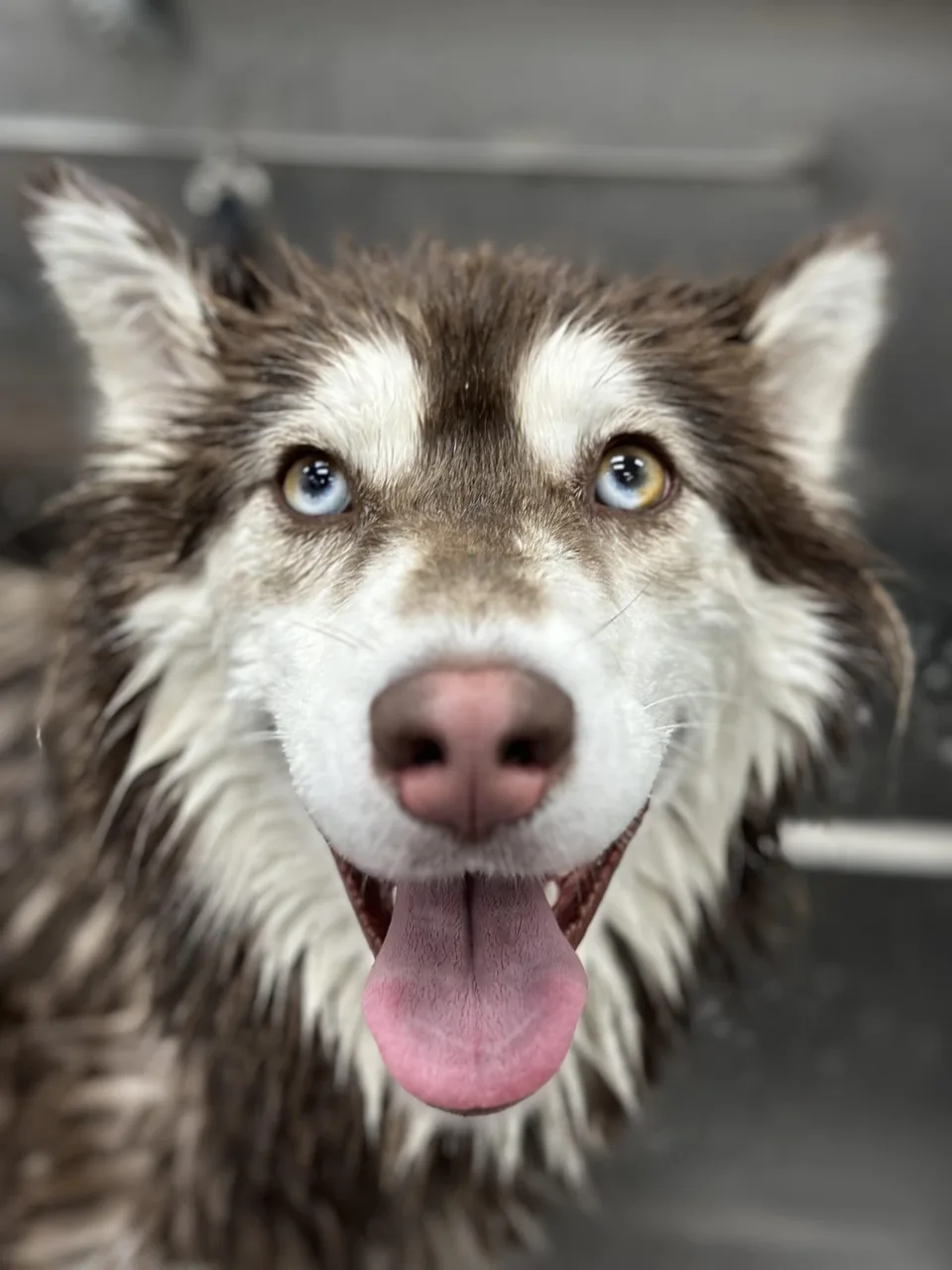
The Myth: Many owners believe that shaving their Husky, Golden Retriever, or other double-coated breed for the summer will help them stay cooler.
The Truth: Double-coated breeds have evolved with a complex coat system that actually helps regulate their body temperature in both hot and cold weather. The topcoat (guard hairs) provides protection from the sun's rays while the undercoat acts as insulation.
What Really Happens When You Shave a Double-Coated Dog:
- You remove their natural sun protection, increasing risk of sunburn and skin cancer
- You disrupt the natural cooling system of their coat
- The coat often grows back with altered texture and color
- The undercoat typically grows back faster than the guard hairs, creating a dull, fuzzy appearance
- In some cases, the coat never fully recovers its original texture and appearance
Better Alternatives:
- Regular brushing to remove loose undercoat
- Professional de-shedding treatments
- Keeping your dog in air-conditioned environments during extreme heat
- Providing access to shade and fresh water when outdoors
- Scheduling walks during cooler parts of the day
Expert Insight: "In my 15 years of grooming, I've seen numerous double-coated dogs with permanently damaged coats from shaving. The texture changes, the color can fade, and in some cases, the guard hairs never fully return. Professional de-shedding is always the better option for these breeds." - Nicole, Lead Groomer at Groomingdale's Lakewood
Myth #2: Cats don't need professional grooming because they groom themselves
The Myth: Cats are self-cleaning animals that don't require human grooming assistance.
The Truth: While cats are indeed fastidious self-groomers, many benefit significantly from professional grooming services, especially long-haired breeds, seniors, and overweight cats.
Why Cats Need Professional Grooming:
- Self-grooming leads to hairballs as cats ingest loose fur
- Older cats often develop arthritis that limits their ability to reach all areas
- Overweight cats cannot reach many parts of their bodies
- Long-haired breeds can develop severe matting despite self-grooming
- Professional grooming can identify skin issues, lumps, or parasites early
Benefits of Professional Cat Grooming:
- Reduced hairballs and associated digestive issues
- Prevention of painful matting
- Early detection of skin problems or abnormalities
- Decreased shedding around your home
- Reduced dander for allergy sufferers in the household
Client Experience: "My 12-year-old Persian was always meticulously clean until arthritis made it difficult for her to groom herself properly. She developed mats that were uncomfortable and pulling on her skin. Regular grooming appointments at Groomingdale's have made her noticeably more comfortable and playful again." - Maria T., Lakewood
Myth #3: Frequent bathing is bad for pets' skin
The Myth: Bathing your pet too often strips natural oils and causes dry, itchy skin.
The Truth: With modern, high-quality pet shampoos and proper techniques, most pets can be bathed much more frequently than traditionally believed without skin issues.
Factors That Determine Safe Bathing Frequency:
- The quality of products used
- Proper rinsing technique
- Complete drying after bathing
- Your pet's specific skin type
- Existing skin conditions
- Coat type and lifestyle
Safe Bathing Guidelines:
- Dogs with normal skin: Every 2-4 weeks is typically fine with quality products
- Dogs with oily coats: May benefit from weekly bathing with appropriate shampoo
- Dogs with dry or sensitive skin: Every 4-6 weeks with moisturizing products
- Cats: Every 4-6 weeks for those who tolerate it, using cat-specific products
The Real Culprits Behind Post-Bath Skin Issues:
- Inadequate rinsing (shampoo residue causes irritation)
- Using human products (wrong pH for pet skin)
- Improper drying (moisture trapped against skin)
- Using harsh, low-quality shampoos
Professional Perspective: "The 'don't bathe too often' advice dates back to when pet shampoos were harsh and drying. Today's professional-grade products are gentle enough for regular use. The key is thorough rinsing—I always tell clients to rinse, then rinse again, then rinse one more time." - Kelsie, Groomer at Groomingdale's Lakewood
Myth #4: Cutting a dog's whiskers is harmless
The Myth: Trimming or cutting a dog's whiskers is purely cosmetic and doesn't affect them.
The Truth: Whiskers (vibrissae) are specialized sensory organs that provide important environmental information to dogs and cats.
Functions of Whiskers:
- Spatial awareness (helping pets navigate tight spaces)
- Distance perception
- Object detection in low light
- Communication of emotional states
- Protection of eyes from potential hazards
What Happens When Whiskers Are Cut:
- Temporary disorientation
- Reduced environmental awareness
- Potential increase in anxiety or confusion
- Difficulty judging distances accurately
Our Policy: At Groomingdale's Pet Salon, we never cut or trim whiskers as part of our grooming services. We train our groomers to work around these important sensory tools, even when trimming facial hair.
Scientific Perspective: Research has shown that whiskers send information to the same area of the brain that processes touch information from the rest of the body, but the whisker area is granted significantly more space in the brain's sensory map—indicating their importance to the animal.
Myth #5: Brushing a wet coat is better for detangling
The Myth: It's easier and less painful to remove mats and tangles when the coat is wet.
The Truth: Brushing a wet coat can actually cause more damage and discomfort for most coat types.
Why Wet Brushing Is Problematic:
- Wet hair stretches more than dry hair before breaking
- This stretching can cause pain at the root
- Wet tangles can tighten into worse mats when manipulated
- Wet hair is more prone to breakage, leading to a damaged coat
Proper Detangling Approach:
- Brush thoroughly before bathing
- Use detangling spray on dry coat for minor tangles
- Work from the ends toward the skin
- Use appropriate tools (slicker brush, dematting tool) for your pet's coat type
- For severe matting, seek professional help rather than attempting wet detangling
Exception: Some curly-coated breeds like Poodles may benefit from conditioning and gentle combing while the conditioner is in the coat, but this should be done by experienced groomers or owners.
Groomer's Tip: "If you find a mat after bathing, it's better to let the coat dry completely before attempting to remove it. Use a detangling spray and work slowly with the proper tools. For severe mats, please see a professional rather than risking injury to your pet." - Sarah, Groomer at Groomingdale's Lakewood
Myth #6: Puppy cuts are the same for all breeds
The Myth: A "puppy cut" is a standard, one-size-fits-all haircut that works for any dog.
The Truth: The term "puppy cut" is one of the most misunderstood in grooming and can mean vastly different things depending on the breed, groomer, and region.
What "Puppy Cut" Actually Means:
- For Poodles: Typically means an even length all over (usually 1/2" to 1") with a rounded face
- For Shih Tzus/Lhasas: Usually means a shorter body (1/2" to 1") with a rounded face and slightly longer ears
- For Cocker Spaniels: Often means a shorter body but with longer ears and leg feathering
Communication Tips:
- Bring photos of what you want your pet to look like
- Discuss specific lengths in inches rather than using generic terms
- Ask for a detailed explanation of what the groomer means by "puppy cut"
- Consider a grooming consultation before the actual appointment
Groomer's Perspective: "When a client asks for a 'puppy cut,' my first response is always, 'Can you show me a picture of what you're looking for?' This simple step prevents misunderstandings and ensures the client gets exactly what they want." - Nicole, Lead Groomer at Groomingdale's Lakewood
Myth #7: Professional grooming is just about aesthetics
The Myth: Professional grooming is a luxury service focused primarily on making pets look pretty.
The Truth: While appearance is certainly one aspect of grooming, professional services provide numerous health and welfare benefits that go far beyond aesthetics.
Health Benefits of Professional Grooming:
- Early detection of skin issues, lumps, parasites, or infections
- Prevention of painful matting and pelting
- Proper nail length to prevent gait issues and ingrown nails
- Ear cleaning to prevent infections
- Anal gland checks to prevent impaction
- Removal of debris and foreign material from coat and skin
Behavioral Benefits:
- Reduced discomfort leads to improved behavior
- Regular handling helps pets become more comfortable with touch
- Positive grooming experiences can reduce anxiety about handling in other contexts (like veterinary visits)
Practical Benefits:
- Reduced shedding in your home
- Decreased allergens
- Prevention of issues that could lead to costly veterinary care
- Expert advice on at-home maintenance
Veterinarian's Perspective: "As a veterinarian in Lakewood, I often refer clients to Groomingdale's because professional grooming is an important part of preventative healthcare. Their groomers have alerted clients to skin issues, lumps, and ear infections that might otherwise have gone unnoticed until they became serious problems." - Dr. J. Wilson, DVM
Myth #8: All groomers are the same
The Myth: Grooming is a standardized service, and all groomers have similar training and skills.
The Truth: Grooming education, experience, and approaches vary tremendously between professionals and salons.
What Sets Professional Groomers Apart:
- Formal education and certification
- Continuing education in new techniques and products
- Experience with specific breeds and coat types
- Knowledge of breed standards and appropriate cuts
- Understanding of pet behavior and stress reduction
- Ability to handle special needs pets
At Groomingdale's Lakewood, Our Groomers:
- Complete a comprehensive training program
- Participate in continuing education annually
- Specialize in particular coat types or breeds
- Are trained in low-stress handling techniques
- Have experience with senior pets and those with special needs
Questions to Ask When Choosing a Groomer:
- What training and certification do you have?
- How long have you been grooming?
- Do you have experience with my specific breed?
- How do you handle nervous or difficult pets?
- What safety protocols do you follow?
Client Experience: "After trying three different groomers for my anxious Shih Tzu, I found Groomingdale's. The difference in both the quality of the groom and my dog's stress level was remarkable. Not all groomers are created equal, and finding one with the right skills and approach makes all the difference." - James L., Lakewood
Making Informed Grooming Decisions
By debunking these common myths, we hope to help Lakewood pet owners make better-informed decisions about their pets' grooming needs. At Groomingdale's Pet Salon, we're committed to educating our clients and providing the highest quality care for pets of all types.
We encourage you to ask questions, seek clarification, and communicate openly with your groomer about your pet's specific needs and your expectations. Together, we can ensure your pet receives the most appropriate grooming care for their health, comfort, and appearance.
Contact Groomingdale's Pet Salon in Lakewood today at (253) 301-2823 to schedule an appointment or consultation with our expert grooming team. We proudly serve pet owners from Lakewood, Tacoma, University Place, Steilacoom, Joint Base Lewis-McChord, and throughout Pierce County.
Written by the grooming experts at Sarah's Groomingdale's Pet Salon in Lakewood, WA. With over 15 years of professional pet grooming experience, our team specializes in breed-specific grooming for dogs and cats of all sizes. Call us at (253) 301-2823 to book your appointment.
![How Much Does Dog Grooming Cost in Seattle & Portland? [2026 Price Guide] - Related blog post thumbnail](/_next/image?url=https%3A%2F%2Fmedia.snackboxcms.com%2Fgroomingdales%2Fasset_ju57zbMisBTm-maui-grooming-cost-blog-ingest_sDa4W5y1-9dW.png&w=3840&q=80)