One of the most fascinating aspects of dogs is the incredible variety of coat types they can have. From the curly, non-shedding coat of a Poodle to the double-layered, weather-resistant fur of a Husky, each coat type has evolved for specific purposes and requires different care approaches. Understanding your dog's particular coat type is essential for proper grooming and maintenance. At Groomingdale's Pet Salon in Lakewood, WA, our groomers work with every coat type imaginable, and we have developed specialized techniques for each one. Whether you are a first-time dog owner or a seasoned pet parent in the Tacoma and Pierce County area, this guide will help you understand what your dog's coat needs to stay healthy and beautiful.
The Main Dog Coat Types
1. Smooth Coats
Examples: Boxers, Beagles, Dalmatians, Greyhounds, Pit Bull Terriers, Dachshunds
Characteristics:
- Short, sleek fur that lies close to the body
- Minimal undercoat
- Sheds year-round, often in small amounts
- Quick to dry after bathing or getting wet
Care Requirements:
- Weekly brushing with a rubber curry brush or grooming mitt
- Occasional bathing (every 6-8 weeks)
- Wipe down with a damp cloth between baths to remove loose hair
- Seasonal shedding may require more frequent brushing
Smooth-coated dogs are often considered "wash and wear" dogs, but they do shed and benefit from regular brushing to remove loose hair and distribute skin oils. At Groomingdale's, we've found that many owners of smooth-coated breeds are surprised by how much hair comes off during a professional grooming session. Our de-shedding treatments can dramatically reduce the amount of loose hair in your home.
Common Mistake: Many owners skip brushing smooth-coated breeds entirely because the coat looks fine. However, regular brushing stimulates blood flow to the skin, distributes natural oils, and allows you to check for skin issues, lumps, or parasites that might be hidden under the sleek fur.
2. Double Coats
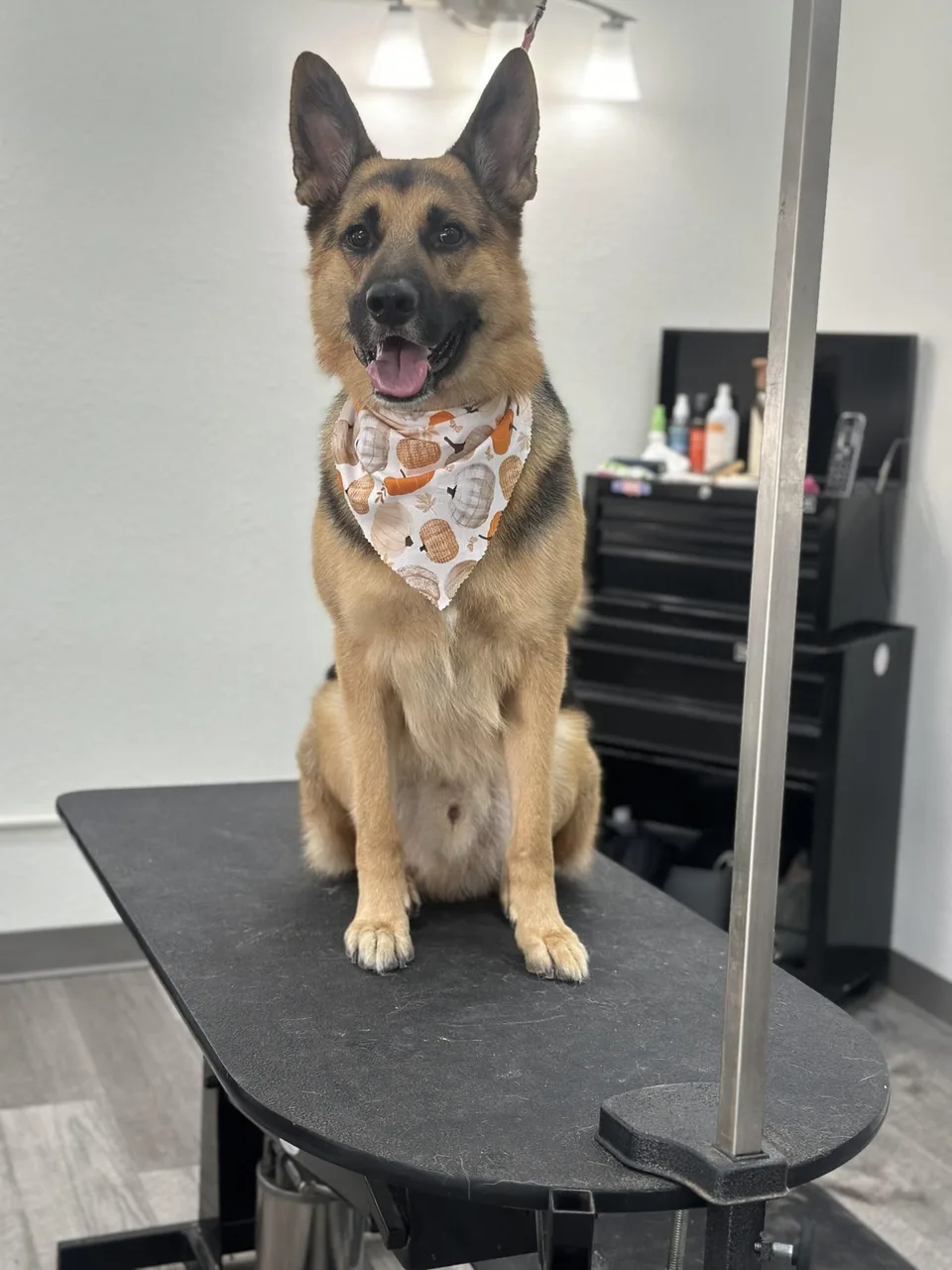
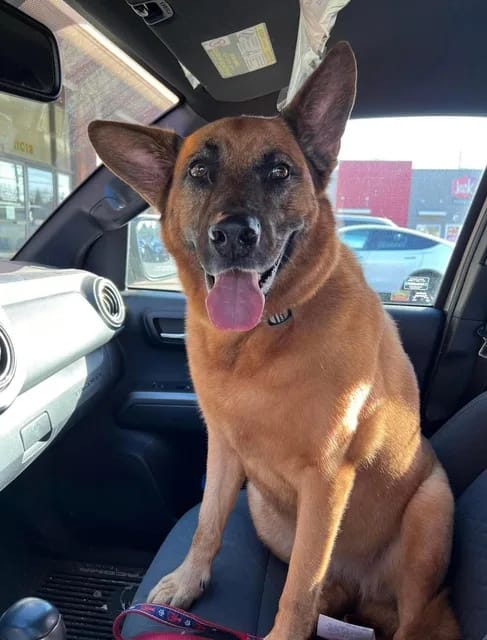
Examples: Siberian Huskies, German Shepherds, Golden Retrievers, Labrador Retrievers, Akitas, Samoyeds, Australian Shepherds, Bernese Mountain Dogs
Characteristics:
- Two layers: a dense, insulating undercoat and longer guard hairs on top
- Heavy seasonal shedding ("blowing coat") typically in spring and fall
- Weather-resistant and insulating against both heat and cold
- Guard hairs repel water and provide UV protection
Care Requirements:
- Regular brushing (2-3 times weekly) with an undercoat rake and slicker brush
- More frequent brushing during shedding seasons (daily is ideal)
- Avoid shaving, which can permanently damage the coat's natural insulation and sun protection
- Bathing only when necessary, using a formula designed for double-coated breeds
- Professional de-shedding treatments every 4-8 weeks
Double-coated breeds were developed for outdoor work in various climates. Their undercoat provides insulation against both cold and heat, while the topcoat offers protection from moisture and UV rays. This is why shaving a double-coated dog is one of the most harmful grooming mistakes an owner can make.
Why You Should Never Shave a Double-Coated Dog: At Groomingdale's, we cannot stress this enough. Shaving removes the protective guard hairs that regulate body temperature and protect against sunburn. The coat often grows back with an altered texture, the undercoat may become dominant, and in some cases the coat never fully recovers. Our professional de-shedding treatments remove the loose undercoat without damaging the guard hairs, keeping your dog comfortable and protected.
Pacific Northwest Note: Double-coated breeds are incredibly popular in the Lakewood and Tacoma area, and for good reason. Their coats are perfectly suited to our mild, wet climate. However, the damp conditions can cause the undercoat to hold moisture, potentially leading to hot spots or skin irritation. Regular brushing and professional grooming help prevent these issues.
3. Wire Coats
Examples: Terriers (Jack Russell, Scottish, Wire Fox, Airedale), Schnauzers, Irish Wolfhounds, Wirehaired Dachshunds
Characteristics:
- Harsh, wiry outer coat with a softer undercoat
- Minimal shedding when properly maintained
- Dense and weather-resistant
- Distinctive rough texture that gives these breeds their characteristic appearance
Care Requirements:
- Regular brushing with a slicker brush and metal comb
- Hand-stripping (plucking dead hair) to maintain proper texture for show dogs
- Clipping for pet dogs (though this softens the coat texture over time)
- Professional grooming every 6-8 weeks
- Beard and eyebrow maintenance for breeds that have facial furnishings
Wire-coated breeds were often developed for hunting vermin and needed coats that could protect them from rough terrain, thorny underbrush, and animal bites. The harsh texture of the outer coat serves as natural armor.
Hand-Stripping vs. Clipping: Our groomers at Groomingdale's are experienced in both hand-stripping and clipping techniques for wire-coated breeds. Hand-stripping maintains the proper coat color and texture but is more time-intensive. Clipping is faster and more comfortable for the dog but will gradually soften the coat over time. We can discuss which approach is best for your dog's lifestyle and your preferences.
4. Curly/Wool Coats
Examples: Poodles, Bichon Frises, Portuguese Water Dogs, Lagotto Romagnolos, and all Doodle mixes (Labradoodles, Goldendoodles, Bernedoodles, Aussiedoodles)
Characteristics:
- Curly or wavy hair that grows continuously
- Minimal shedding (often considered "hypoallergenic," though no dog is truly hypoallergenic)
- Extremely prone to matting without regular care
- Texture can range from loose waves to tight curls
Care Requirements:
- Brushing every 1-2 days with a slicker brush and metal comb
- Professional grooming every 4-6 weeks without exception
- Regular bathing with proper conditioning to maintain curl definition
- Careful attention to areas prone to matting: behind ears, armpits, groin, and collar area
- Sanitary trims between full grooming appointments as needed
These breeds often have hair rather than fur, which grows continuously like human hair and requires regular trimming. At Groomingdale's, Doodle breeds and Poodles are among our most frequent clients. We specialize in the specific techniques required for these coats and can create a variety of styles from the classic Poodle continental clip to the popular teddy bear look.
The Doodle Challenge: Doodle mixes have become enormously popular throughout the Tacoma and Lakewood area, and we love working with them. However, their coats can be unpredictable since they inherit coat characteristics from both parent breeds. Some Doodles have more of a Poodle-like curly coat, while others have a wavy, fleece-type coat, and still others develop a flat or straight coat. Each variation requires a slightly different grooming approach. Our groomers are experienced in assessing and managing all Doodle coat types.
Critical Matting Warning: Curly and wool coats mat faster than any other coat type. If mats become severe (pelting), the only humane option is to shave the coat short and start fresh. We always try to work through minor tangles, but we will never cause your dog pain by attempting to brush out severe matting. Prevention through regular at-home brushing and consistent professional grooming is the best approach.
5. Silky Coats
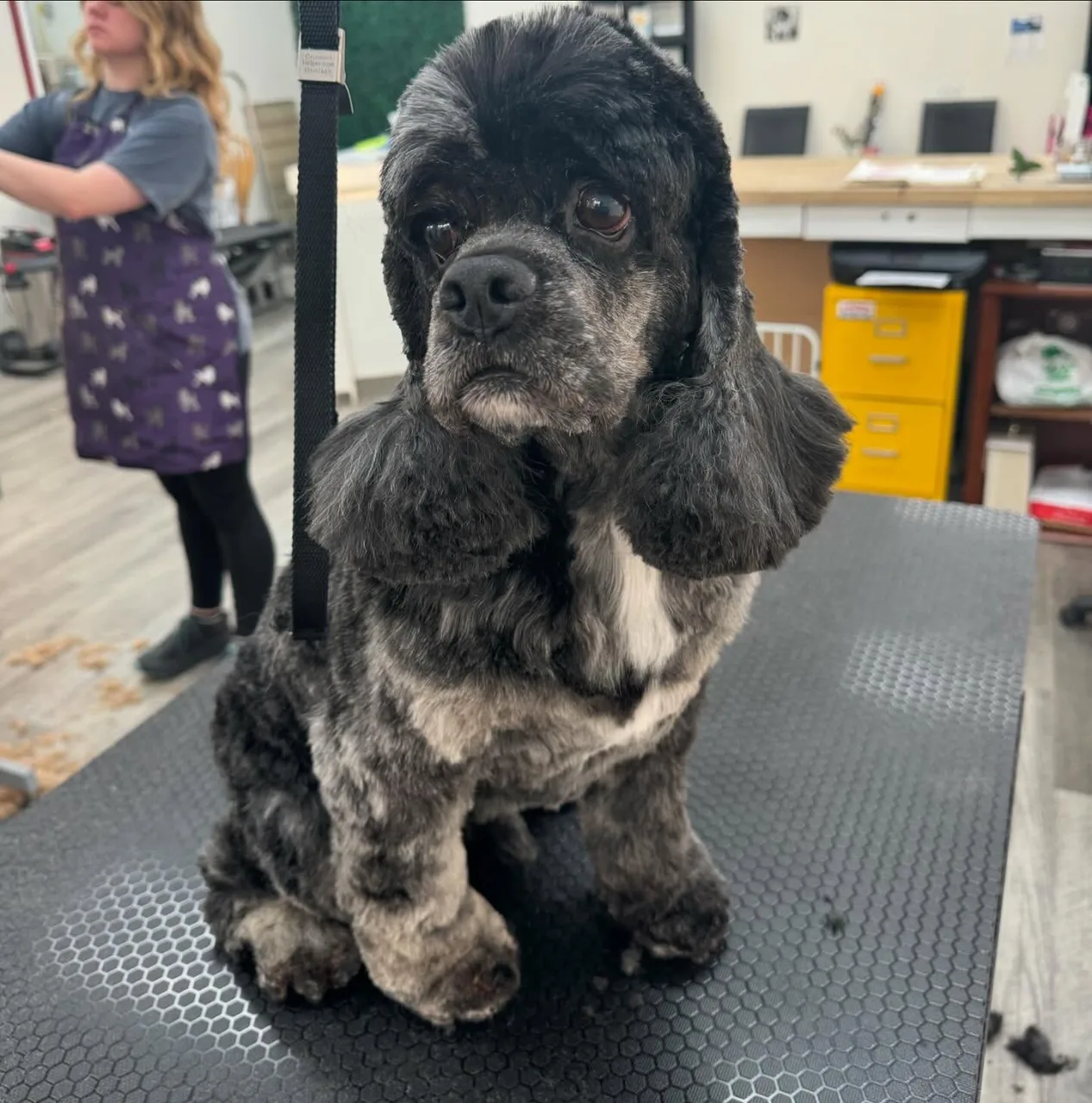
Examples: Yorkshire Terriers, Maltese, Shih Tzus, Afghan Hounds, Cavalier King Charles Spaniels, Cocker Spaniels
Characteristics:
- Long, flowing hair with a silky texture
- Minimal undercoat in most breeds
- Requires significant maintenance to prevent tangles
- Beautiful when well-maintained but quickly becomes disheveled without regular care
Care Requirements:
- Daily brushing with a pin brush and metal comb
- Regular bathing (every 2-4 weeks) with high-quality shampoo and conditioner
- Often kept in shorter "puppy cuts" for easier daily maintenance
- Protection from elements such as coats in winter and limited direct sun exposure
- Topknots or hair ties to keep hair out of eyes for breeds with long facial hair
Silky-coated breeds were often developed as companion animals, and their beautiful coats were bred for aesthetic purposes rather than working functionality. While these coats are stunning when properly maintained, they do require a significant commitment to daily grooming.
Style Options: At Groomingdale's, we offer a range of style options for silky-coated breeds. Many of our Lakewood and Tacoma clients prefer a practical "puppy cut" that keeps the coat at a manageable 1-2 inch length all over. Others prefer a modified show cut with longer ears and a fuller body. We are happy to discuss style options and help you find the right balance between beauty and practicality.
6. Corded Coats
Examples: Komondor, Puli, Bergamasco, Havanese (when corded)
Characteristics:
- Naturally forms cords or "dreadlocks"
- Extremely weather-resistant
- Historically protected working dogs from predator bites and harsh weather
- Requires specialized knowledge to maintain
Care Requirements:
- Specialized care to separate cords and keep them clean
- Thorough drying after bathing (can take many hours, even with a high-velocity dryer)
- Professional guidance is strongly recommended for maintenance
- Infrequent bathing due to extensive drying time
- Regular checking of skin beneath the cords for irritation or parasites
These unique coats require specialized knowledge to maintain properly and are among the most distinctive in the dog world. While corded breeds are uncommon in the Lakewood area, we occasionally work with them at Groomingdale's and can provide guidance to owners on proper cord maintenance.
Seasonal Considerations for Pacific Northwest Dogs
Many dogs, especially those with double coats, experience seasonal shedding. This "blowing coat" process typically occurs in spring and fall as dogs prepare for seasonal temperature changes. Here in the Lakewood, Tacoma, and Pierce County area, our relatively mild climate means that some dogs shed less dramatically than they would in areas with more extreme temperature swings. However, the shedding is still significant and requires attention.
During shedding seasons:
- Increase brushing frequency (daily if possible)
- Schedule professional de-shedding treatments at Groomingdale's
- Use appropriate tools like undercoat rakes and high-velocity dryers
- Never shave double-coated breeds, as this can permanently damage their coat
- Consider adding omega-3 fatty acid supplements to your dog's diet to promote healthy skin and coat
Pacific Northwest Climate Tips: Our damp, mild winters and warm summers create a unique set of challenges for dog coats. The high humidity can cause coats to hold moisture, leading to potential skin issues. Dogs who spend time outdoors in the rain should be dried thoroughly when they come inside. Our groomers recommend keeping a dedicated set of towels by the door and investing in a quality doggy raincoat for rainy day walks through Fort Steilacoom Park or Waughop Lake.
Common Coat Problems We See at Groomingdale's
Matting
The single most common issue we encounter is matting, particularly in curly, silky, and long-haired breeds. Mats are not just unsightly. They are painful for your dog. Mats pull on the skin with every movement, restrict blood flow, and can trap moisture, parasites, and debris against the skin. In severe cases, matting can cause skin infections, bruising, and even open wounds.
Prevention is key: Regular at-home brushing combined with professional grooming every 4-6 weeks is the best defense against matting. If you find a small mat, work it out with a detangling spray and mat splitter before it grows larger.
Hot Spots
Hot spots (acute moist dermatitis) are areas of inflamed, infected skin that can develop rapidly, especially in our damp Pacific Northwest climate. Dogs with thick undercoats are particularly susceptible because moisture can become trapped against their skin.
At Groomingdale's, our groomers often spot early signs of hot spots during grooming appointments. If we notice a developing hot spot, we will alert you immediately so you can consult with your veterinarian.
Dry, Flaky Skin
Indoor heating during our cooler months can dry out your dog's skin, leading to dandruff and itching. Regular grooming with moisturizing products can help, and our groomers can recommend appropriate shampoos and conditioners for your dog's specific skin type.
When to Seek Professional Help
While regular at-home maintenance is essential, professional grooming is recommended for:
- Breeds with continuously growing hair (Poodles, Shih Tzus, Doodles, etc.)
- Severely matted coats (never try to cut out mats yourself, as you risk cutting your dog's skin)
- Specialized cuts or styling
- Nail trimming if you are uncomfortable doing it yourself
- Ear cleaning and maintenance
- Anal gland expression when needed
- De-shedding treatments for heavy shedders
- Any time you notice changes in your dog's skin or coat condition
At Groomingdale's Pet Salon in Lakewood, our groomers are trained in the specific needs of all coat types and can provide personalized advice for your dog's unique fur. Regular professional grooming, combined with appropriate at-home care, will keep your dog's coat healthy, comfortable, and beautiful year-round.
Call us at (253) 301-2823 to schedule a grooming appointment or consultation. We proudly serve dog owners throughout Lakewood, Tacoma, University Place, Steilacoom, Joint Base Lewis-McChord, and all of Pierce County.
Written by the grooming experts at Sarah's Groomingdale's Pet Salon in Lakewood, WA. With over 15 years of professional pet grooming experience, our team specializes in breed-specific grooming for dogs and cats of all sizes. Call us at (253) 301-2823 to book your appointment.
![How Much Does Dog Grooming Cost in Seattle & Portland? [2026 Price Guide] - Related blog post thumbnail](/_next/image?url=https%3A%2F%2Fmedia.snackboxcms.com%2Fgroomingdales%2Fasset_ju57zbMisBTm-maui-grooming-cost-blog-ingest_sDa4W5y1-9dW.png&w=3840&q=80)