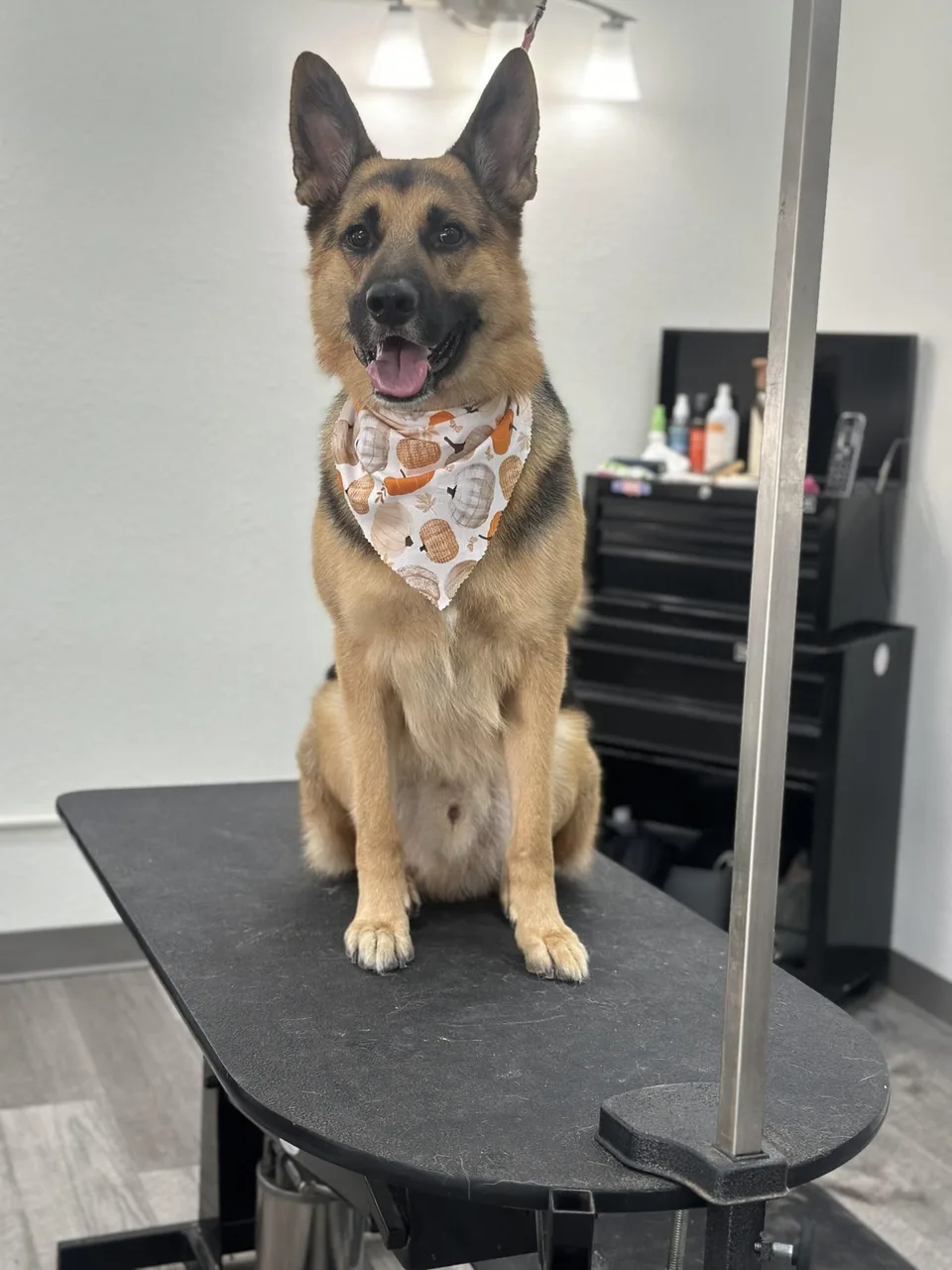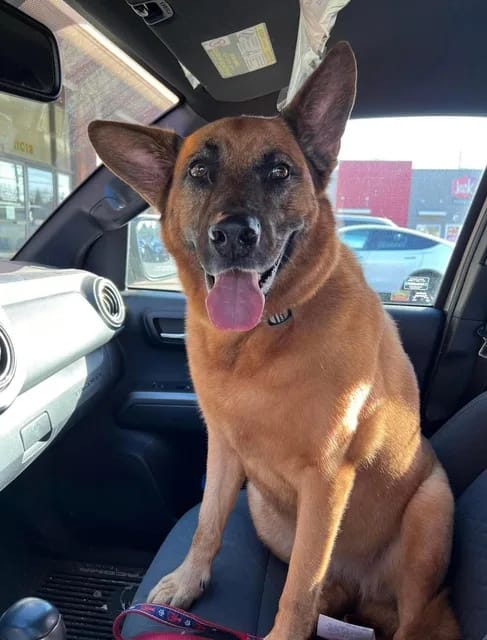
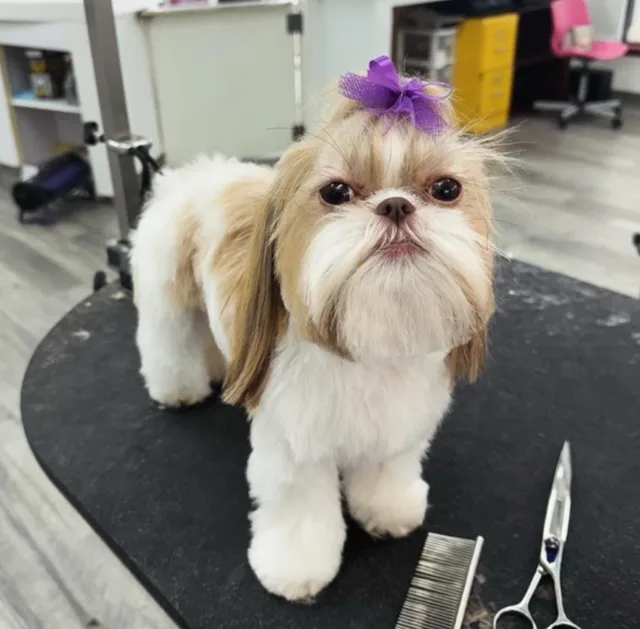
Many pets experience anxiety during grooming sessions. The unfamiliar environment, handling by strangers, unusual sounds, and sensations can trigger stress responses in even the most well-adjusted animals. At Groomingdale's Pet Salon in Lakewood, we understand these challenges and have developed effective strategies to help anxious pets have more positive grooming experiences. This guide shares our professional insights to help you prepare your nervous dog or cat for their next grooming appointment.
Understanding Pet Grooming Anxiety
Before addressing solutions, it's important to recognize the signs of anxiety in pets and understand why grooming can be stressful for them.
Common Signs of Anxiety in Dogs:
- Excessive panting or drooling
- Trembling or shaking
- Whining, barking, or growling
- Attempting to escape
- Freezing or cowering
- Showing whites of eyes ("whale eye")
- Yawning when not tired
- Excessive lip licking
- Refusing treats (when normally food-motivated)
Common Signs of Anxiety in Cats:
- Dilated pupils
- Flattened ears
- Low body posture
- Excessive vocalization
- Hissing or growling
- Excessive grooming or scratching
- Hiding or attempting to escape
- Eliminating outside the litter box
- Tail twitching or puffed tail
Why Grooming Causes Anxiety
Understanding the root causes of grooming anxiety can help address them more effectively:
- Unfamiliar Environment: Strange smells, sounds, and sights can be overwhelming.
- Restraint Sensitivity: Many pets dislike being held in position.
- Negative Past Experiences: Previous traumatic grooming experiences can create lasting fear.
- Sensitive Areas: Discomfort when certain body parts are handled (paws, ears, etc.).
- Loud Equipment: The noise from clippers, dryers, and other tools can be frightening.
- Separation Anxiety: Some pets become distressed when separated from their owners.
- Lack of Socialization: Pets not accustomed to handling may find grooming particularly stressful.
Pre-Grooming Preparation Strategies
1. Start Desensitization Early
Ideally, preparation should begin weeks or even months before a grooming appointment, especially for puppies, kittens, or pets with severe anxiety.
For Dogs:
- Handle paws, ears, and tail regularly during calm moments
- Practice brushing sessions at home, starting with just a few strokes
- Gradually introduce the sound of clippers or dryers (you can use a cell phone recording)
- Practice having your dog stand still on an elevated surface
For Cats:
- Introduce brushing as a positive, gentle experience
- Gradually increase handling of sensitive areas like paws and belly
- Create positive associations with being lifted and held
- Use treats and praise to reward calm behavior during handling
Expert Tip from Groomingdale's: "Start with just 30 seconds of handling or brushing, then gradually increase the time as your pet becomes more comfortable. Consistency is more important than duration."
2. Choose the Right Groomer
Not all grooming salons are equipped to handle anxious pets. At Groomingdale's in Lakewood, we specialize in working with nervous animals, but here's what to look for:
- Groomers with specific training in handling anxious pets
- Facilities that allow you to tour before booking
- Salons that take detailed notes about your pet's specific needs
- Groomers who don't rush and allow extra time for nervous pets
- Positive reviews specifically mentioning good experiences with anxious pets
Questions to Ask Potential Groomers:
- "How do you handle fearful or anxious pets?"
- "Can appointments be scheduled during quieter times?"
- "Are you willing to take breaks if my pet becomes too stressed?"
- "What techniques do you use to calm nervous pets?"
- "Do you use force-free handling methods?"
3. Practice Car Rides
For many pets, anxiety begins before they even reach the grooming salon. If your pet only travels by car for veterinary or grooming visits, they may develop negative associations with car rides.
Desensitization Steps:
- Spend time with your pet in the stationary car with treats and praise
- Take very short drives to pleasant destinations (park, friend's house)
- Gradually increase drive duration
- Use calming aids during car rides if needed (discussed below)
Success Story: "My dog Bella used to tremble uncontrollably on the way to grooming appointments. After two weeks of positive car ride practice—just going to the park and back home—she now hops into the car eagerly, even for grooming trips." - Michael R., Lakewood client
4. Exercise Before Grooming
A tired pet is often a calmer pet. Physical exercise helps reduce excess energy and anxiety.
For Dogs:
- Take a long walk or play session 1-2 hours before the appointment
- Engage in mental stimulation games
- Allow time for bathroom breaks before arriving
For Cats:
- Schedule an interactive play session before carrier time
- Use puzzle feeders to engage their mind
- Ensure they've had bathroom access
Important Note: While exercise is beneficial, avoid exhausting your pet completely, as this can sometimes make handling more difficult. Aim for healthy tiredness, not exhaustion.
5. Use Calming Aids When Appropriate
Various products can help reduce anxiety levels before and during grooming:
Natural Calming Aids:
- Pheromone products: Adaptil for dogs or Feliway for cats (available as sprays, diffusers, or collars)
- Calming supplements: L-theanine, chamomile, or CBD products designed for pets (consult your veterinarian first)
- Anxiety wraps: ThunderShirt or similar pressure wraps that provide gentle, constant pressure
- Calming music: Specifically designed music for pets can reduce stress
Prescription Options:
For pets with severe anxiety, discuss these options with your veterinarian:
- Anti-anxiety medications
- Mild sedatives for grooming day
- Long-term anxiety management medications
Groomingdale's Approach: "We welcome the use of veterinarian-approved calming aids. Please let us know in advance if your pet will be taking any medication so we can adjust our handling accordingly."
The Day of Grooming
1. Maintain a Calm Demeanor
Pets are extremely sensitive to their owners' emotions. If you're anxious about the grooming appointment, your pet will likely pick up on your stress.
Do:
- Speak in a calm, upbeat tone
- Act as though grooming visits are normal, positive experiences
- Remain relaxed during drop-off
Don't:
- Use a high-pitched "it's okay" voice (pets often associate this with something being wrong)
- Excessively reassure or coddle your anxious pet
- Show your own anxiety or frustration
2. Bring Familiar Items
Familiar scents and objects can provide comfort in strange environments.
Consider Bringing:
- Your pet's favorite blanket or toy
- A worn t-shirt or item with your scent
- Their regular treats (especially high-value ones)
- A detailed list of your pet's triggers and calming techniques
3. Arrive Prepared
Proper preparation can make the appointment go more smoothly:
- Brush your pet before arrival to remove loose tangles
- Ensure they've had bathroom breaks
- Arrive slightly early to allow adjustment time
- Bring any necessary paperwork or medical information
- Have your groomer's contact information readily available
4. Effective Drop-Off Techniques
How you handle the drop-off can significantly impact your pet's anxiety levels:
For Dogs:
- Keep goodbyes brief and positive
- Avoid lengthy, emotional farewells
- Give a simple command like "stay" or "place" to provide structure
- Let the groomer take the leash while you're still present
For Cats:
- Keep the carrier covered with a light blanket during transport
- Place the carrier on a raised surface (not the floor) in the waiting area
- Allow the groomer to open the carrier when ready
Groomer's Perspective: "Long, emotional goodbyes actually increase a pet's anxiety. A quick, confident handoff signals to your pet that everything is normal and under control."
After the Grooming Appointment
1. Positive Reinforcement
How you respond when picking up your pet can influence their perception of the experience:
- Greet them calmly and happily
- Offer praise and perhaps a small treat
- Avoid overly excited greetings that might reinforce that something unusual happened
- Take a short, pleasant walk before heading home (for dogs)
2. Maintain Regular Grooming Schedules
Consistency is key to reducing anxiety over time:
- Schedule regular appointments rather than waiting until the coat is severely matted
- Consider more frequent, shorter sessions for very anxious pets
- Stick with the same groomer when possible
- Maintain home brushing between professional appointments
Long-Term Success: "We've found that pets who come in every 4-6 weeks consistently are much less anxious than those who only come in twice a year. Familiarity with the process makes a tremendous difference." - Kelsie, Groomingdale's Lakewood
3. Communicate with Your Groomer
Feedback helps improve future experiences:
- Share what worked well and what didn't
- Discuss any signs of stress you notice after returning home
- Be open to suggestions for future appointments
- Update your groomer about any changes in your pet's health or behavior
Special Considerations for Extremely Anxious Pets
Some pets have anxiety levels that require additional approaches:
1. Mobile Grooming
For some pets, the stress of transportation and unfamiliar environments is too overwhelming. Mobile grooming brings the service to your home, eliminating these stressors.
Benefits:
- No transportation stress
- Familiar environment
- One-on-one attention
- No exposure to other animals
- Often faster completion time
2. Cooperative Care Training
This advanced training approach teaches pets to actively participate in their grooming and handling:
- Pets learn to give consent for handling
- They're taught specific positions for different procedures
- Positive reinforcement is used throughout
- Pets can take breaks when needed
Resources: Consider working with a force-free trainer who specializes in cooperative care techniques before your next grooming appointment.
3. Sedation or Medical Supervision
In rare cases where anxiety is severe and other methods haven't helped:
- Discuss veterinary-supervised grooming
- Explore appropriate sedation options with your veterinarian
- Consider medical-setting grooming for pets with extreme fear or aggression
Our Commitment at Groomingdale's Pet Salon
At our Lakewood location, we're committed to making grooming as stress-free as possible for anxious pets:
- Flexible Scheduling: We offer quiet-time appointments for highly anxious pets
- Patience-First Approach: We never rush through procedures with nervous animals
- Break Policy: We provide rest periods for stressed pets rather than pushing through
- Ongoing Education: Our groomers regularly update their knowledge on low-stress handling techniques
- Communication: We maintain detailed notes on what works for each individual pet
We believe that with patience, preparation, and the right techniques, most anxious pets can learn to tolerate—and sometimes even enjoy—the grooming process. Our groomers have worked with hundreds of anxious pets from Lakewood, Tacoma, University Place, and throughout Pierce County, and we've seen remarkable transformations in even the most fearful animals over time.
Local Resources for Pet Anxiety in the Lakewood and Tacoma Area
If your pet experiences severe grooming anxiety, we recommend working with local professionals who can help:
- Force-free trainers: Several excellent positive-reinforcement trainers operate in the Tacoma and Lakewood area who can help with desensitization and cooperative care training. Ask us for referrals during your next visit.
- Veterinary behaviorists: For pets with extreme anxiety, a veterinary behaviorist can develop a comprehensive treatment plan. Pierce County has several qualified professionals who specialize in pet anxiety.
- Calming product retailers: Local pet supply stores in Lakewood and Tacoma carry a variety of pheromone products, anxiety wraps, and calming supplements that can support your pet's grooming journey.
At Groomingdale's, we are always happy to coordinate with your veterinarian or trainer to develop the best approach for your individual pet. We understand that every animal is different, and what works for one pet may not work for another. Our goal is to build trust with each and every furry client who walks through our doors.
Contact us at (253) 301-2823 to discuss your pet's specific needs and how we can create a more positive grooming experience. We proudly serve pet owners throughout Lakewood, Tacoma, University Place, Steilacoom, Joint Base Lewis-McChord, and all of Pierce County.
Written by the grooming experts at Sarah's Groomingdale's Pet Salon in Lakewood, WA. With over 15 years of professional pet grooming experience, our team specializes in breed-specific grooming for dogs and cats of all sizes. Call us at (253) 301-2823 to book your appointment.
![How Much Does Dog Grooming Cost in Seattle & Portland? [2026 Price Guide] - Related blog post thumbnail](/_next/image?url=https%3A%2F%2Fmedia.snackboxcms.com%2Fgroomingdales%2Fasset_ju57zbMisBTm-maui-grooming-cost-blog-ingest_sDa4W5y1-9dW.png&w=3840&q=80)